Start with jab-cross, double jab-cross and jab-cross-lead hook. These beginner boxing combinations let you practise straight punches, rhythm and weight transfer without memorizing a long sequence. Finish every repetition with your guard organized and your feet ready to move.
A combination is more than several punches in a row. Range, balance and what you do after the last punch decide whether the sequence is useful. Learn the individual mechanics with your coach before increasing speed or power.
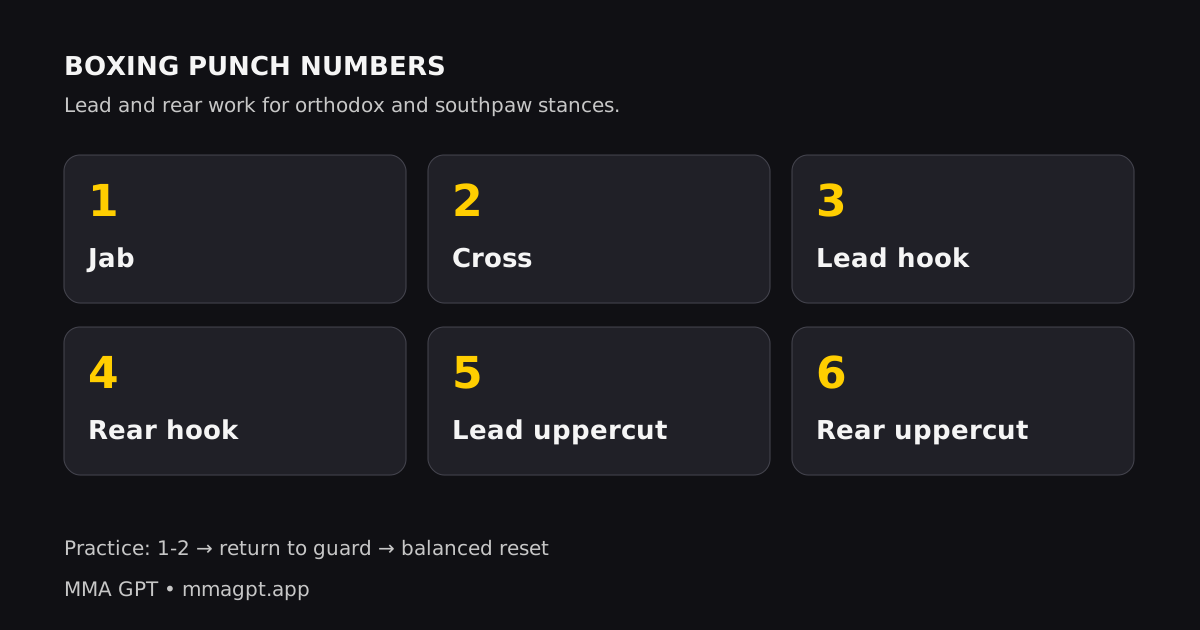
Boxing punch numbers: 1 through 6
This guide uses the common lead/rear number system also described in FightCamp's punch-number guide.
| Number | Punch | Orthodox hand | Southpaw hand |
|---|
| 1 | Jab | Left | Right |
| 2 | Cross | Right | Left |
| 3 | Lead hook | Left | Right |
| 4 | Rear hook | Right | Left |
| 5 | Lead uppercut | Left | Right |
| 6 | Rear uppercut | Right | Left |
Coaches can use different numbering or add letters for targets. Ask before interpreting a workout. A body-shot variation should be labelled explicitly; “3 body” means a lead hook to the body, not a new punch number.
The boxing technique fundamentals explain stance, guard and the basic punches. Use that baseline before practising the sequences below.
Two-punch boxing combinations
1-2: jab, cross
Use the jab to establish range, then rotate into the cross without reaching beyond your base. Keep the non-punching hand near your guard. Return the cross and reset before repeating.
Check: can you step away immediately after the cross, or are you leaning forward? If you need an extra recovery step, slow down and shorten your reach.
1-1: double jab
Throw two separate jabs with a controlled return between them. The second jab is not a reason to leave the first extended. Practise first without stepping, then add a small advance if your coach has taught it.
Check: your feet should remain separated and your rear hand should remain organized. Do not chase an imagined target with repeated long steps.
3-2: lead hook, cross
Start close enough for a compact lead hook, then connect the cross through controlled weight transfer. This is easier after you understand the individual hook and cross mechanics.
Check: avoid winding the hook far behind you. If your stance becomes square, reset before the next repetition.
Three-punch combinations
1-1-2: double jab, cross
This adds a cross to the double jab. Start with an even rhythm, then vary the timing once the shape is stable. Use lead/rear terminology so the drill works in either stance.
Practice cue: say the punches aloud at first. The words should describe separate actions, not one hurried flurry.
1-2-3: jab, cross, lead hook
Use straight punches to establish the sequence, then finish with a compact hook. Return to guard before moving. The hook should not pull your whole body past your lead foot.
Practice cue: keep the last punch as controlled as the first. When you tire, shorten the round instead of adding a wider swing.
2-3-2: cross, lead hook, cross
This sequence alternates rear, lead and rear hands. It asks more of your rotation than 1-2, so practise lightly and check that your stance remains usable.
Practice cue: do not lock your knees or force a large twist. Have your coach check your mechanics before using the sequence at speed.
A four-punch progression: 1-2-3-2
Add a final cross to jab-cross-lead hook. The extra punch is only worthwhile when you can preserve balance and guard through the whole sequence. Start with one repetition, reset fully, then repeat.
You do not need a dozen punches to make a useful combination. A clean two-punch sequence with a good exit is a better practice goal than a long sequence you cannot repeat under control.
Add an exit to the combination
Practise the punches first, then add one movement your coach has taught: a small step away, a lateral step or a controlled pivot. Keep the movement appropriate to your stance and the space available.
| Sequence | Reset task | What to inspect |
|---|
| 1-2 | Return hands, step back | No reaching or feet coming together |
| 1-1-2 | Return hands, lateral step | Guard holds through the movement |
| 1-2-3 | Reset, then controlled pivot | Stable base after the hook |
| 1-2-3-2 | Pause in stance before moving | Balance after the final cross |
These are solo practice tasks, not guarantees of safety in sparring. Your trainer should choose the tactical exit for a live opponent. The boxing footwork drills help you rehearse the movement separately.
A beginner combination workout
Warm up first. Set the boxing round timer to four two-minute rounds with one-minute rests. Four work rounds plus three rests total 11 minutes, before warm-up and cool-down.
- Round one: jab-cross at a controlled pace, with a full reset.
- Round two: double jab-cross, focusing on the return of each hand.
- Round three: jab-cross-lead hook, checking your stance after the hook.
- Round four: choose one sequence and add a small exit you already know.
Rest without throwing more punches. If you cannot maintain the same shape, reduce the round length or the number of rounds. For a longer bag progression, use the beginner heavy bag workout.
Shadowboxing versus bag work
In shadowboxing, stop the punch under control and avoid forcefully locking the elbow. Give yourself enough room to move after the combination. A mirror can help with a starting position, but a side-angle video can show leaning and foot placement that a mirror misses.
On the bag, use suitable gloves and wraps, begin with light contact, and choose distance appropriate to the punch. Do not crowd the bag to finish a long sequence. Ask your coach to check wrist alignment and glove fit if contact feels uncomfortable.
Review one combination on video
Film 20 to 60 seconds with your hands, feet and target visible. Choose one familiar sequence rather than a highlight reel of everything you know. Review the clip for guard return, balance and the movement after the final punch.
The AI boxing coach can link a correction to a timestamp and suggest a drill. Replay that moment, check it against the visible footage, and discuss the change with your trainer. Repeat the same combination and camera angle on your next attempt.
For the full practice workflow, see the boxing training app. Your first analysis is free, no card needed.
Frequently asked questions
What is a 1-2-3 boxing combination?
In the number system used here, 1-2-3 means jab, cross, lead hook. Practise slowly enough to keep your balance and return each hand to guard.
Do boxing numbers change for southpaws?
The numbers here refer to lead and rear hands, so they work for either stance. An orthodox jab uses the left hand; a southpaw jab uses the right. Confirm the numbering your coach uses.
How many combinations should a beginner learn?
Start with two or three simple sequences and practise them with a balanced reset. Add another combination when you can maintain guard and footwork at a controlled pace.